

All services
Everything in Doors & Door Hardware
-
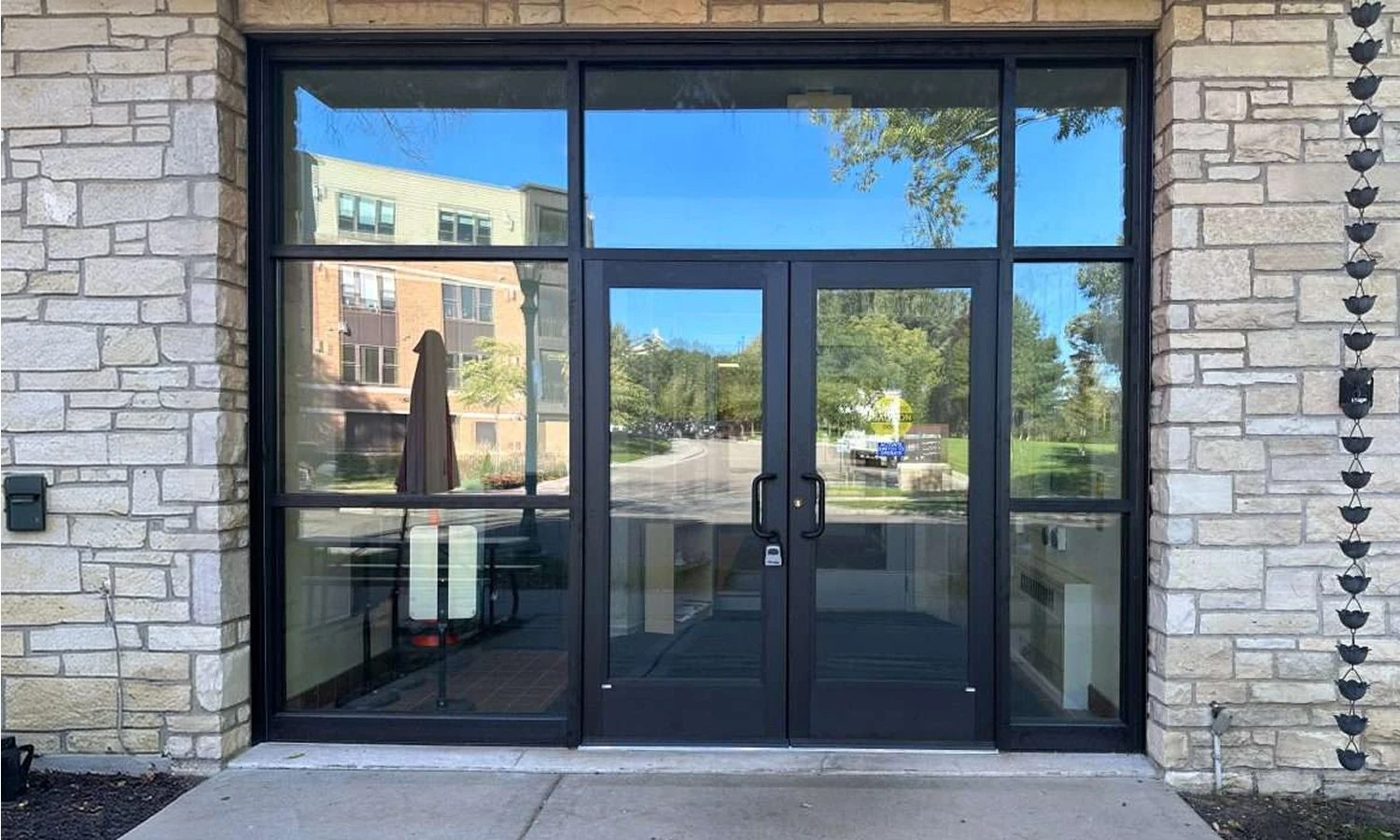 Commercial Lock & Frame Repair Damage from heavy use, weather or break-in attempts: hinges, pivots, strikes, closers, frame alignment.
-
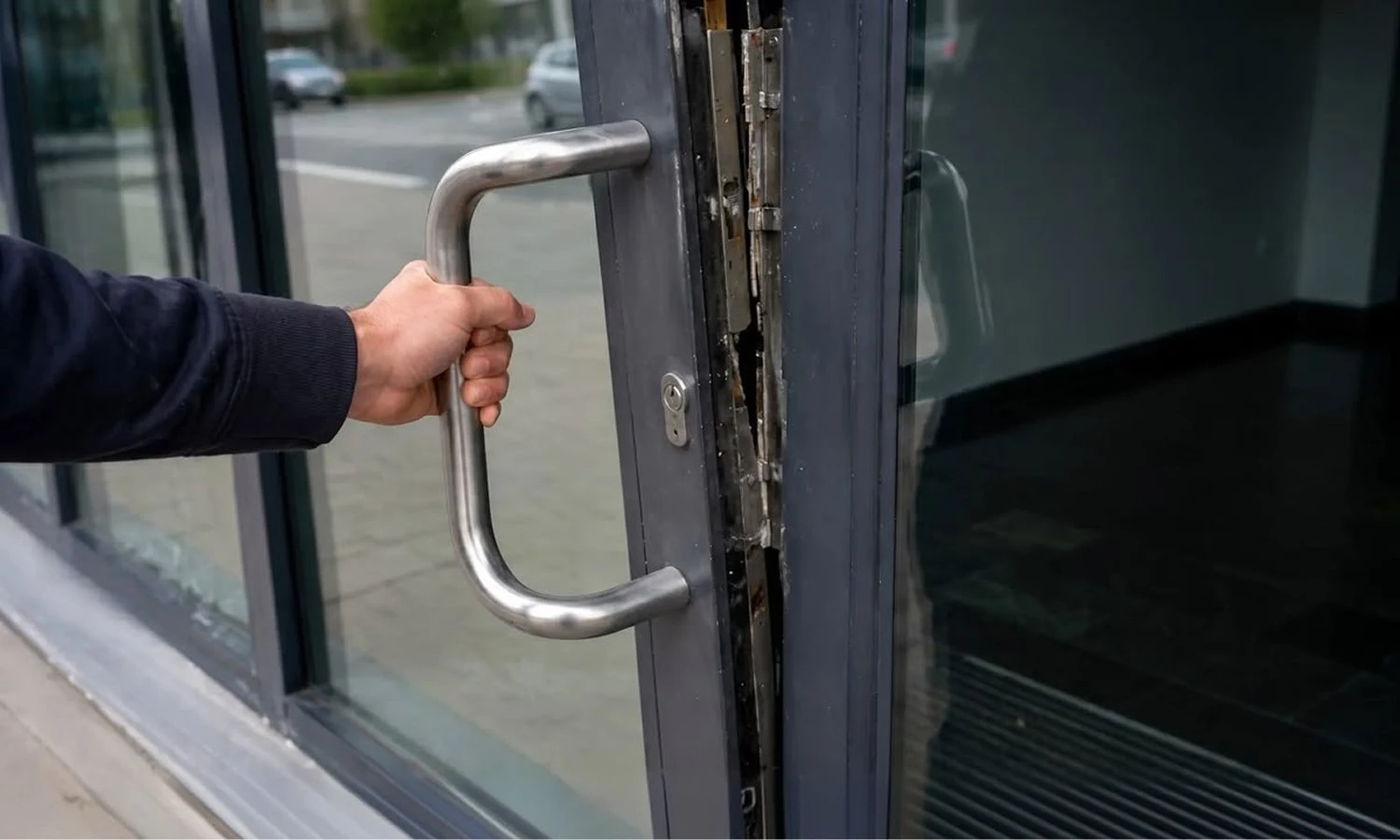 Storefront Lock Repair Aluminum storefront doors adjusted to close properly, latch securely and handle heavy traffic.
-
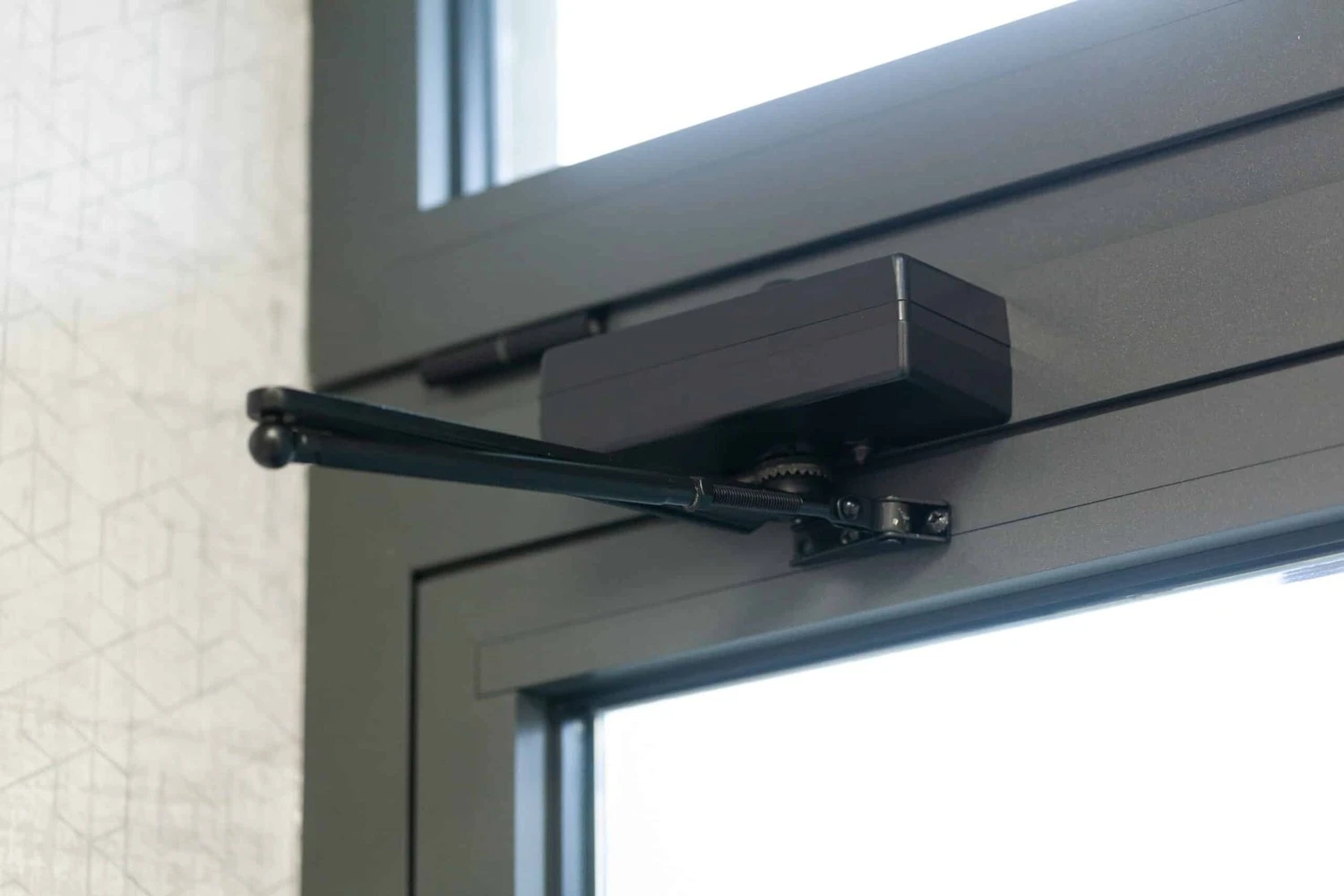 Door Closers Surface and concealed closers installed, replaced and tuned for sweep, speed and latch.
-
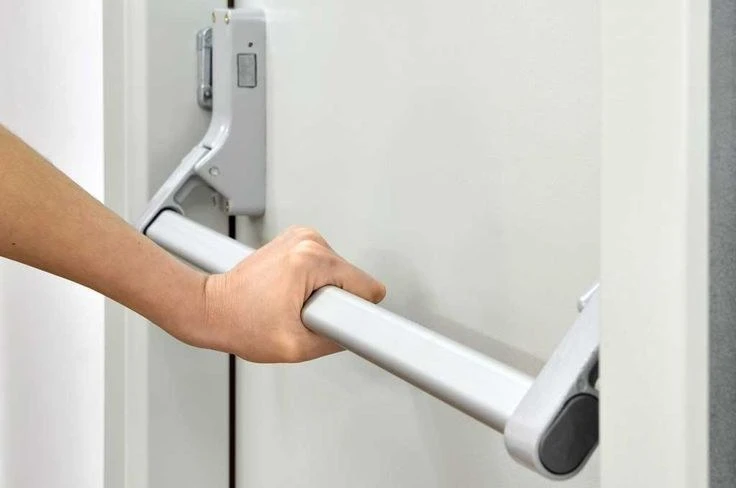 Panic Bars & Exit Devices Safe, compliant and easy to use in an emergency.
-
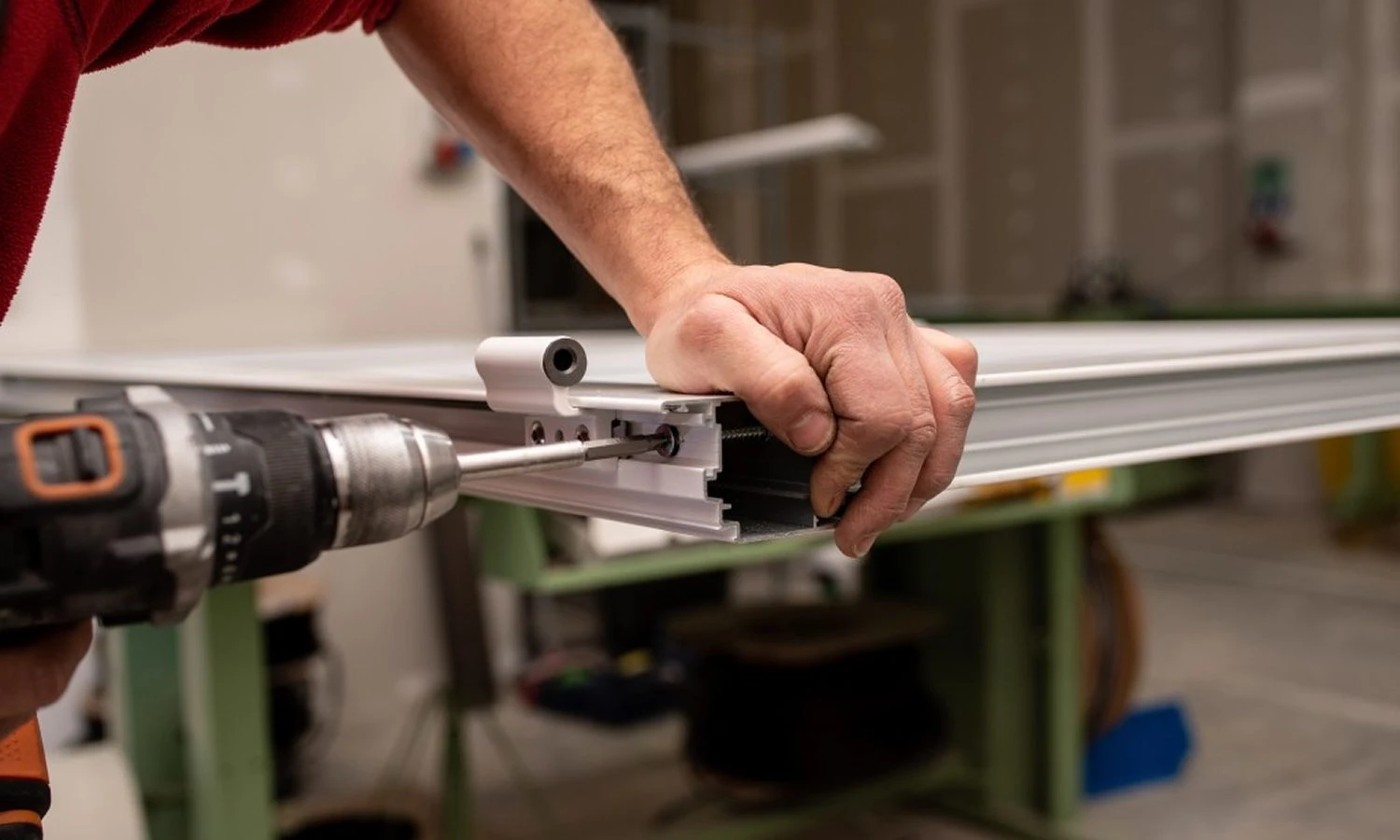 Door Installation & Replacement Aluminum storefront doors, steel doors, frames and properly matched hardware. Aligned, not just installed.
-
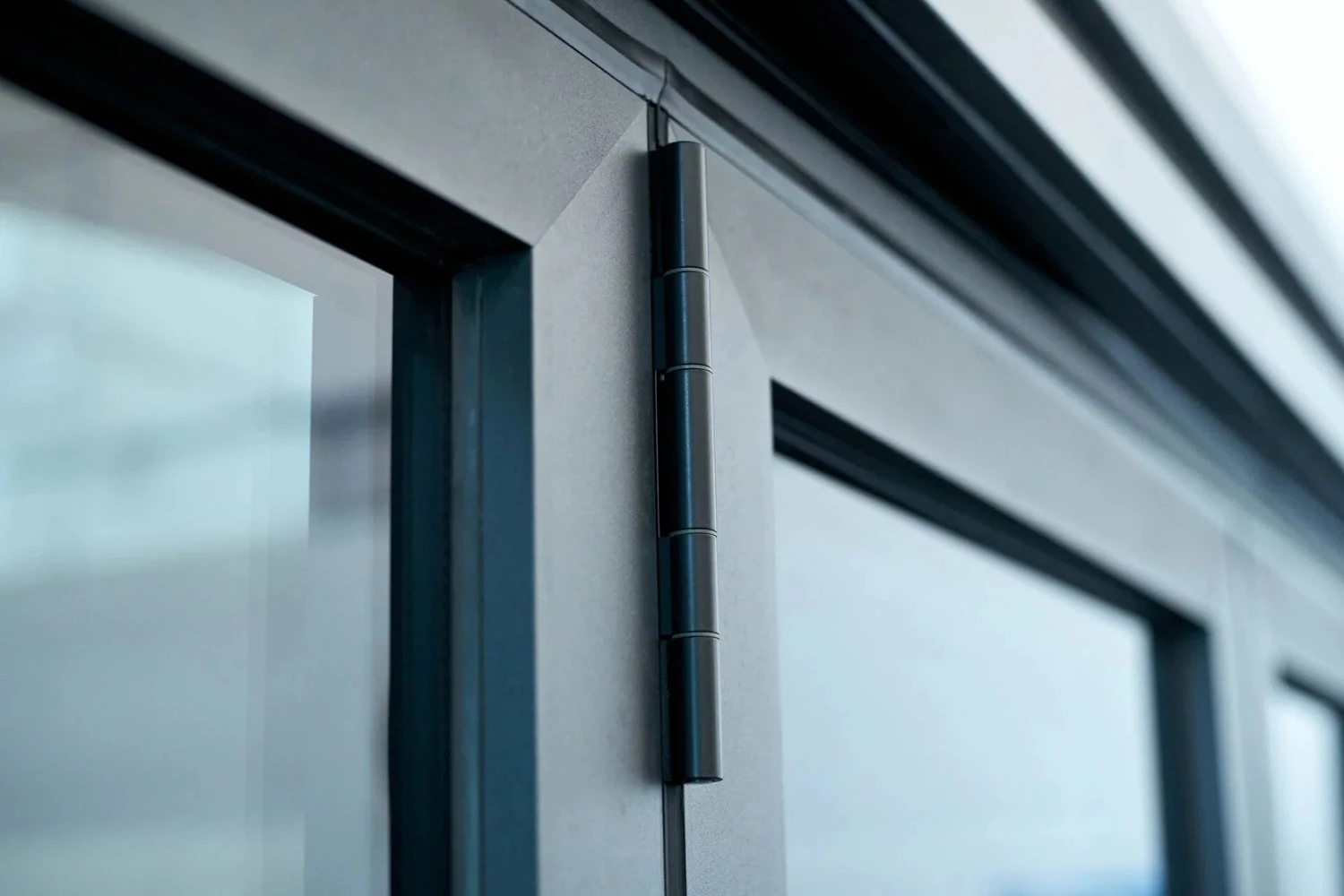 Door Hardware Upgrades Hinges, closers, strikes and exit devices that solve recurring problems and extend the life of the door.
FAQ
Doors & Door Hardware, before you pick one.
Don’t see yours? Call (857) 327-1767
We have replaced the lock on this door twice and it is failing again. What is actually wrong?
Usually nothing is wrong with the lock. A latch only works where it lines up with its strike, and a door that has settled on its hinges, or an aluminum storefront that has dropped onto a worn bottom pivot, moves that line out of range, so people start lifting, pulling or shouldering the door to get the bolt to turn. A new cylinder goes into the same geometry and fails the same way, which is why a locksmith fixing the frame and hinges is what prevents repeat lock failures. On a steel door that is lock and frame repair, and on an aluminum glass entrance it is usually the pivots. The quickest check you can do yourself is the gap down the lock edge: on a square door it stays even from top to bottom, and on a dropped one it closes up at one end and opens at the other.
Is our lock a repair or a replacement, and how is the price settled before anyone has seen it?
That judgement is made at the opening rather than over the phone, because it turns on things a description does not carry: whether the frame still holds a screw, whether the door is damaged through or only out of line, and whether what keeps failing is the lock or the hardware bolted around it. Repair is usually the cheaper answer, since you keep the lock, door and frame you already own and pay for labor plus the parts that actually wore out. It stops being cheaper on a frame that is past straightening, or on an entrance that has been repaired twice and is still the worst entrance you own, and we will say so rather than sell another adjustment. So the sequence is the same whichever answer it turns out to be: the opening is looked at, the scope and the price are agreed with you, and then work starts, with nothing ordered that the building does not need and no hidden fees.
The lock still catches if we shove the door. What does leaving it for a few months cost us?
More than the adjustment would have. A door that is out of line gets pushed and pulled harder every day, and each of those cycles works the hinge screws further out of their holes, so the drop gets worse at an increasing rate rather than holding where it is. The closer above it is next, because it is being asked to drag the door uphill and still shut a latch that is no longer arriving where the strike is, which is work no closer is sized for. The lock edge and the strike wear against each other in the meantime, and the lock gets blamed last. A door that could have been brought back into line becomes torn screw holes, a deformed strike and a closer that has given up, which is a parts list instead of an afternoon.
Can more than one of these be done in the same visit, and does the order matter?
Yes to both. Several locks and several kinds of work are one walk around the building, and we work 24/7 across Boston and the surrounding 30-mile area, so grouped locksmith work can run before opening or overnight instead of through a trading day. The order inside the visit is not arbitrary. The frame comes first, then the hardware bolted to it, then the lock and the keys, because each of those depends on the geometry underneath it: fit a new closer or a new exit device over a door that has dropped and it goes out of adjustment again, and the work is paid for twice. What splits a job into two visits is a part rather than a service, since common commercial hinges, strikes and closers are hardware the trade generally has on hand, while doors, frames, narrow-stile lock hardware and less common devices are ordered in for the opening they have to fit.
Nobody here knows which of our locks need work. Where does a building start, and can it be staged?
With a locksmith’s walk around the building rather than with hardware. We go lock by lock and note how each door sits in its frame, what is bolted to it, what condition that hardware is in and how much traffic the entrance actually takes, because which service a lock needs tends to fall out of that list instead of being decided before it. Traffic is what sorts the list: an entrance cycled hundreds of times a day is usually the one already failing, while a rear door opened twice a week is often sound on hardware of exactly the same age. From there the work stages itself, the entrances that carry the building first and the quiet ones later, each round its own visit and its own agreed scope rather than a commitment to the next one. What was found and what was done can be written down and handed over, so the next round starts from the state of the building instead of from memory.
A lock will not secure tonight and the part has to come in. What happens in between?
The opening is made as secure as the lock allows now, and the permanent repair follows once the part is in hand. Which of those you are in depends on the hardware: common commercial hinges, strikes and closers are usually available, while narrow-stile storefront lock hardware, concealed devices, and doors and frames themselves are ordered in for the opening they have to fit. On an exit door that interim work has a limit worth saying plainly: the exit keeps opening from the inside under a push, and nothing is done to the opening that changes it. We work 24/7, so a lock nobody can secure at closing time is worth a call at the hour it happens rather than the next business day.
Is a locksmith the right trade for this, and how much of it could our maintenance person do?
The lock, and the frame and everything bolted around it, are a locksmith’s: hinges, pivots, strikes, alignment, closers and exit hardware, along with the lock itself. Glass is not. A cracked or broken pane is a glazier’s trade, so if both have gone on the same entrance it is worth calling one rather than waiting to find out whether we can, and we will tell you plainly which part of the door is ours. In-house maintenance covers a fair amount of the rest: snugging a strike screw before it strips, clearing whatever the door is fouling on, an eighth of a turn on a closer sweep valve, moving what is stacked against an opening. The line worth watching is a lock that needs force to operate, since that is a geometry problem rather than a quirk, and the months of shouldering it are what turn an adjustment into a parts list.
Emergency
Break-in, failed lock, or locked out?
When your property’s security is compromised, our emergency locksmiths respond immediately to repair locks, replace compromised cylinders, and restore reliable operation.
- Commercial Lockouts
- Break-In Lock Repairs
- Emergency Cylinder Replacements
- 24/7 After-Hours Response
Request a quote
Request a quote
Our client services team is standing by to assist with locksmith services, lock changes, high-security hardware, master key systems, lock repairs, rekeying, and emergency security dispatch!
- Hours
- Monday – Sunday: 24/7 Service
- Service area
- Boston and surrounding 30-mile radius
Fully insured by Hiscox
- Google rating
- Verified Screened professionals
- Hiscox Fully insured
- Transparent pricing No hidden fees