

All services
Everything in Locks & Keys
-
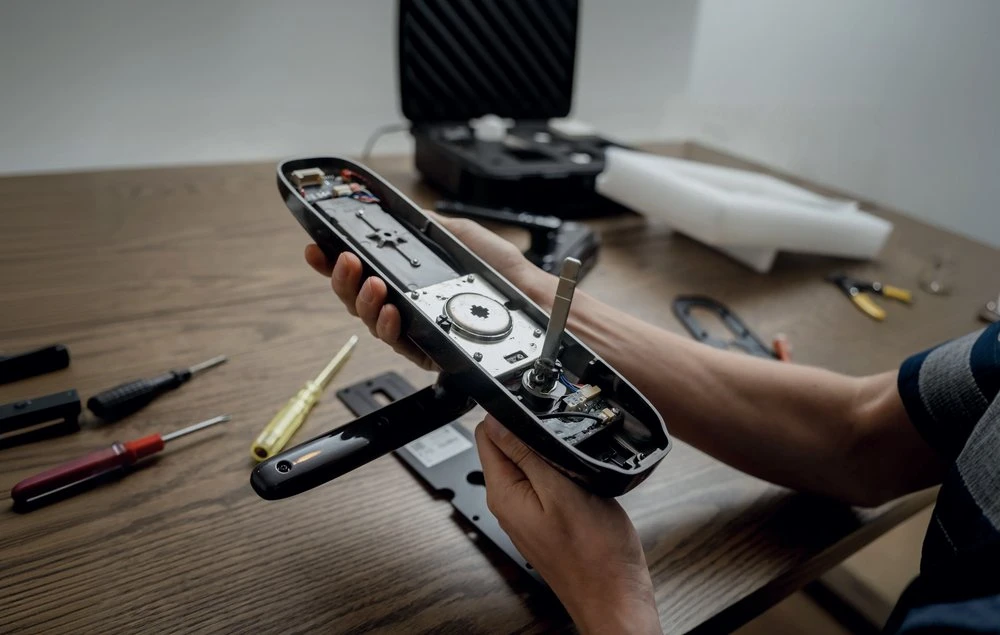 Lock Repair & Replacement A lock that sticks, drags or will not latch, assessed by a locksmith, then repaired or replaced.
-
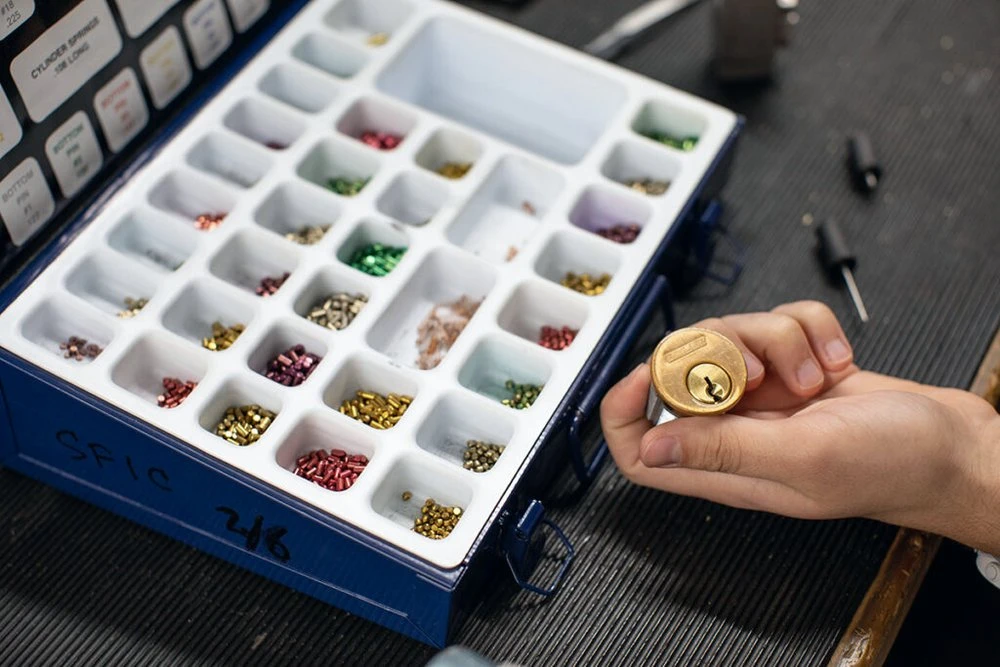 Commercial Rekeying The lock’s cylinder re-pinned to a new key: hardware stays in place, old keys stop working.
-
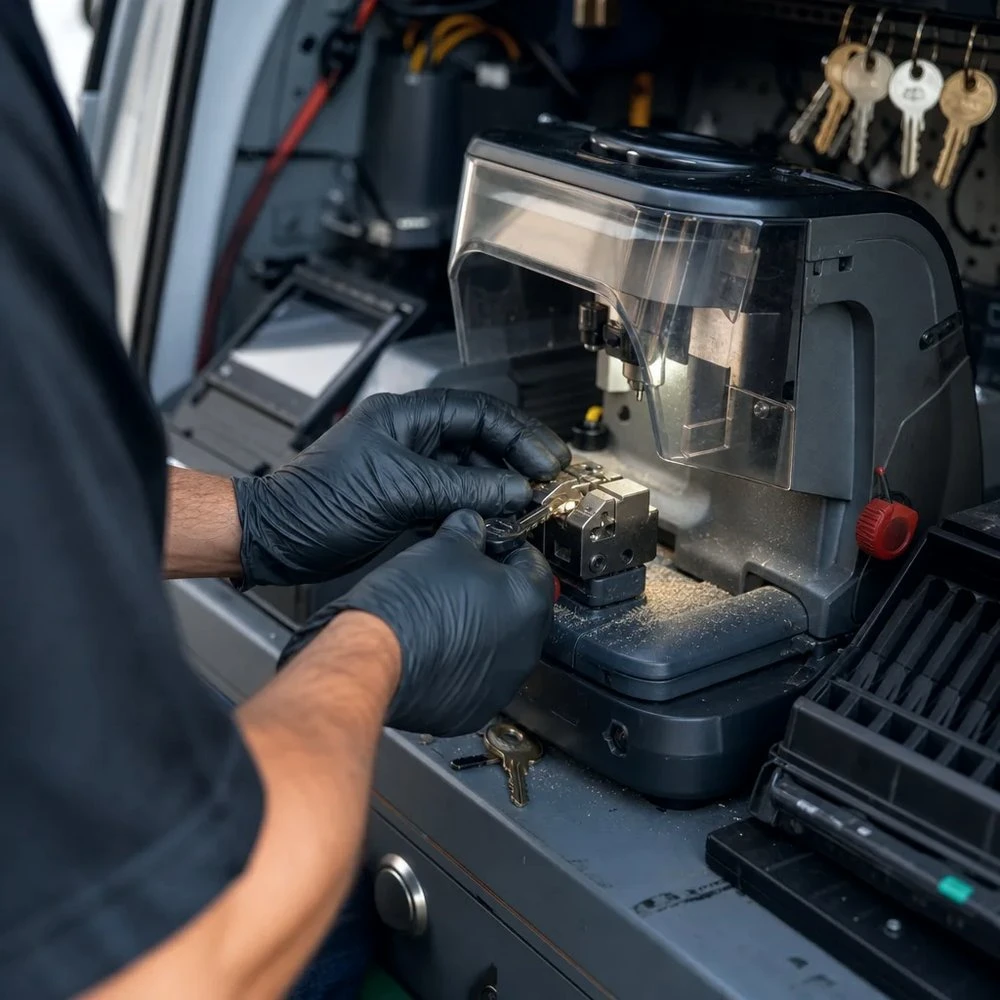 Master Key Systems Access levels keyed into the locks themselves: a master key above, individual keys below.
-
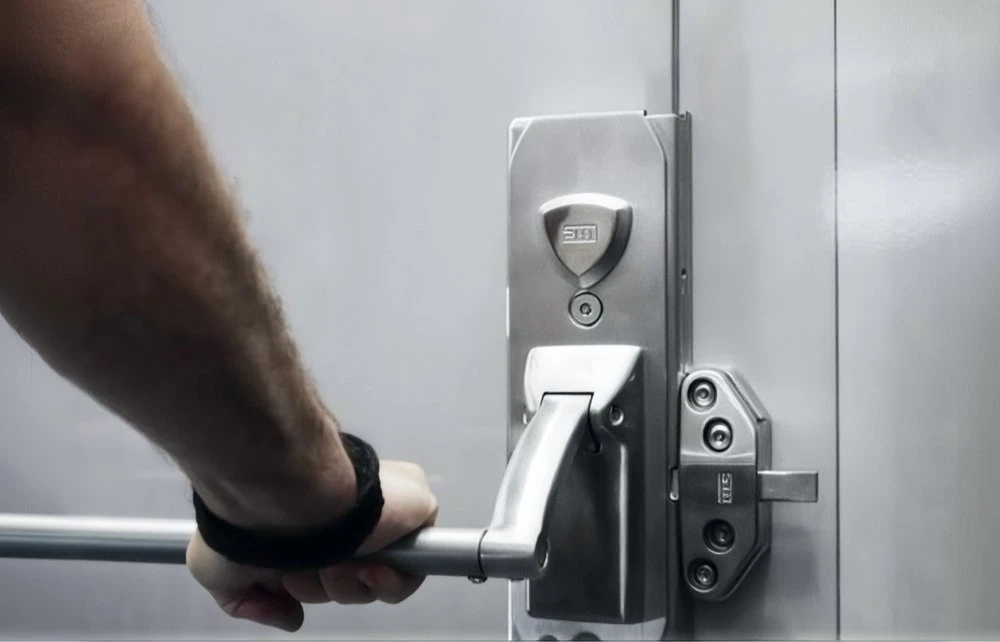 High-Security Locks Locks built to be attacked and hold: tighter tolerances, a second locking element, hardened steel inside.
-
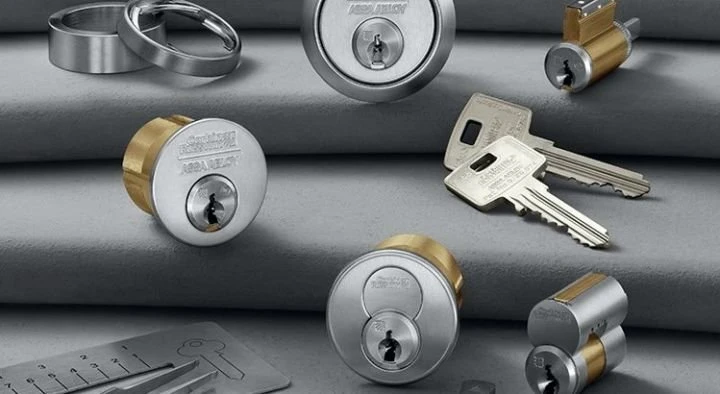 Restricted Key Systems A patented key profile on your locks: blanks are not sold publicly, and a copy needs authorization from key control.
-
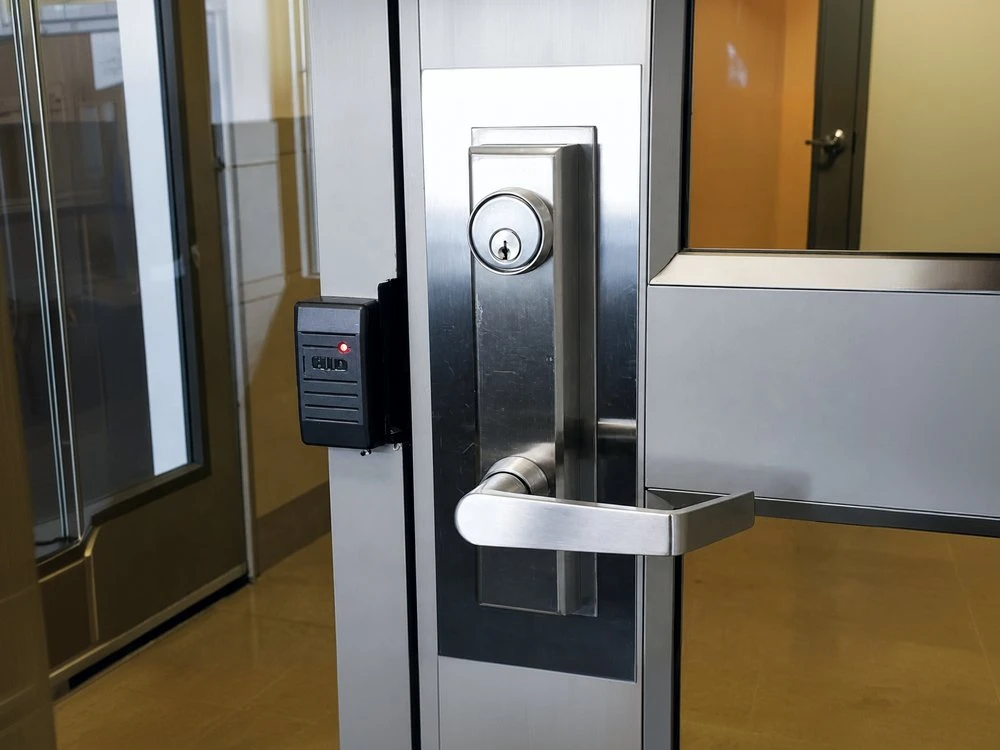 Commercial Deadbolts A deadbolt lock with a square-faced bolt thrown by key or thumbturn, on back doors, storefronts and restricted interior rooms.
-
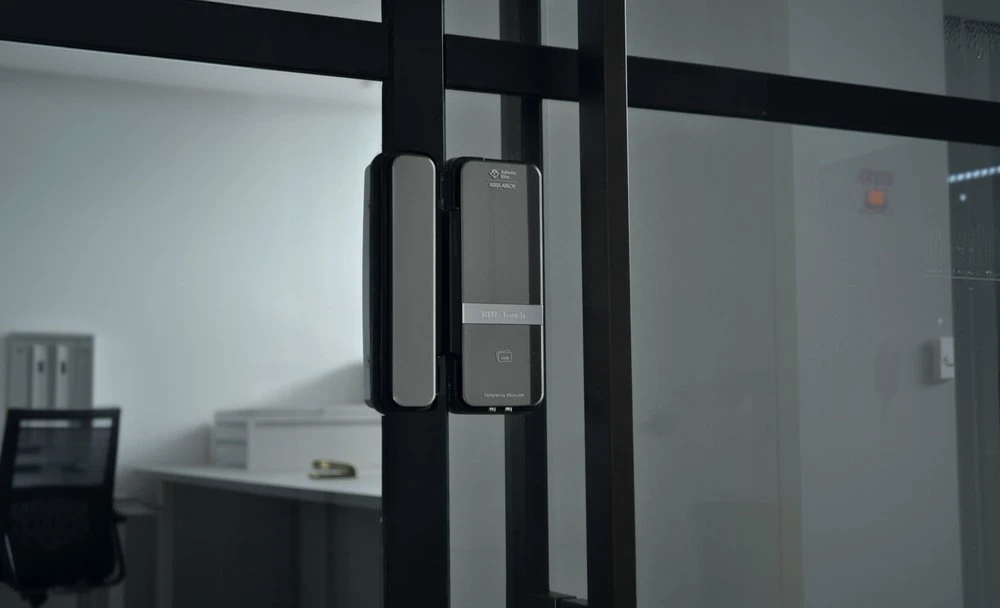 Adams Rite & Storefront Locks Narrow-stile locks for aluminum glass doors, including Adams Rite hardware: installed, repaired and rekeyed.
FAQ
Locks & Keys, before you pick one.
Don’t see yours? Call (857) 327-1767
Can more than one of these be done in the same visit?
Usually, and it is worth asking for. Rekeying a set of cylinders, adding a deadbolt to a back door and repairing a lock that drags are three different jobs but one walk around the building, and we work 24/7 across Boston and the surrounding 30-mile area, so grouped work can run before opening or overnight instead of through a trading day. What splits a job into two visits is a part rather than a service: common commercial cylinders, strikes and deadbolts are hardware the trade generally has on hand, while narrow-stile and high-security hardware is ordered in for the lock it has to fit. Where that happens, the locks that can be finished are finished, and anything still open is left as secure as the opening allows until the part is in hand.
If a lock needs a repair and the keys need changing too, which comes first?
The hardware, then the keys, because the keying follows whatever ends up on the door. Change the keys first and then replace a lock body a month later, and the keying work is paid for twice, with a window in between where you have new keys and a lock you do not trust. The same order applies one step further out: if the door is dragging or the latch is missing the strike, the alignment comes before the lock, because a sound lock fitted to a bad door starts binding again. When both are in scope we say which is which before anything starts, and new locks are keyed into your existing plan as they go on rather than afterward.
What happens to the keys and hardware we already own when work is done across the property?
Most of the hardware stays. Where a cylinder is sound it is reused and keyed to the new plan, so the lock bodies, strikes and trim already on your doors keep doing their job, and what changes is which key turns them. The keys people are carrying are the part that does change: once a lock is rekeyed, the old key stops working on it, which is the whole point, so it is worth knowing who holds what before the visit and collecting what comes back after it. Anything that does come off a door is yours and can be left with you, and what was found and what was done is written down, so the next change starts from the current state of the building rather than from memory.
Nobody here knows what is actually on all our doors. Where does a property like that start?
With a walk around the building rather than with hardware. We go opening by opening and note which lock is on each door, which key operates it, what condition it is in and what sits behind it, because which service you need tends to fall out of that list instead of being decided before it. In practice the list usually splits three ways: locks that need a repair, locks whose keys need to change, and a small number of openings where the lock is lighter than what is behind them. What was found and what was done can be written down and handed over, and that record is what the next change gets worked from.
We cannot do every door at once. Can the work be staged?
Yes, and on a building of any size that is the normal way it happens. The usual split is by risk and by lock: the perimeter and the openings with something behind them first, interior offices and storage rooms later, each round its own visit rather than a commitment to the next one. The part worth settling at the start is the keying plan, even if only some of it gets cut now, because a master or restricted layout drawn for the whole building will take later doors as they come, while a lock keyed on its own usually has to be done over to join the plan afterward. Scope and price are agreed for each round before that round starts, so stopping after any of them leaves you with finished locks rather than half a project.
Is any of this something our own maintenance person could handle, or does it need a locksmith?
Some of it. Snugging a loose strike plate, backing off a screw that is binding a latch, or cleaning and lubricating a cylinder that has gone stiff are maintenance. Re-pinning a cylinder, cutting keys, planning a master system or putting a restricted keyway on a building need the pinning kit, the key machine and, on a restricted system, the authorization that is the whole point of the restriction. The line worth watching is a lock that needs force to turn: that is a symptom rather than a quirk, and working around it for a few months usually ends with a broken lock on a door that was the real problem.
How is the price settled when we do not know yet which of these we need?
By looking at the lock. Scope is what decides it: which lock is on the opening, whether the cylinder can be reused or has to change, how many locks are involved, and whether a part has to be ordered in, none of which is reliably knowable over the phone. So the sequence is the same whichever service it turns out to be. The opening is assessed, the scope and the price are agreed with you, and then work starts, with nothing ordered that the building does not need and no hidden fees.
Emergency
Break-in, failed lock, or locked out?
When your property’s security is compromised, our emergency locksmiths respond immediately to repair locks, replace compromised cylinders, and restore reliable operation.
- Commercial Lockouts
- Break-In Lock Repairs
- Emergency Cylinder Replacements
- 24/7 After-Hours Response
Request a quote
Request a quote
Our client services team is standing by to assist with locksmith services, lock changes, high-security hardware, master key systems, lock repairs, rekeying, and emergency security dispatch!
- Hours
- Monday – Sunday: 24/7 Service
- Service area
- Boston and surrounding 30-mile radius
Fully insured by Hiscox
- Google rating
- Verified Screened professionals
- Hiscox Fully insured
- Transparent pricing No hidden fees